Pages

Wednesday, May 23, 2012

TWIS #12

This week in science we did many things.  One of the things we did was make spider observation logs, these logs helped us record what our cellar spiders did everyday or every other day.  We didn't just write anything, we wrote things according to specific activity directions we got.  We got to decorate the cover how ever we wanted to, then we had to number all the pages and begin to fill the that very same day.  We Also watched a number of Brain Pop and other videos about energy pyramids, symbiotic relationships, and food chains.  After all the videos and also diagrams, we took little quizzes and did different worksheets.  When learning about food chains we played an online game linked to David's blog that made us set up food chains properly and they can be tricky.  They also tested us on our knowledge of  mutualism, commensalism, parasitism, which happens during symbiotic relationships.

This week in science we learned many things.  I remember a lot of things from last year and most of this stuff was a good refresher on living environment and other stuff.  I learned that ecosystems can be controlled easily, especially just like my spider habitat, and that everyday something new would be happening in the tank.  Even though I was absent on this day, but I learned about mutualism, commensalism, and parasitism.  It sounded familiar and I had an idea of what they meant and their meaning actually were interesting and happens a lot in ecosystems during symbiotic relationships.  I also learned that food chains can start from the smallest things and also be a cycle and go back to producers after the consumers.

Thursday, May 17, 2012

This Month in Science #10

This month in science we did many things. First we were shown different videos on human impact on our environment, and that's what started the Human Impact Campaign.  With our teacher we talked about it and we talk about how we would be separated into 4 groups, water, waste, transportation, and energy.  We were allowed to pick the group we wanted to be in, and I chose transportation. The first thing we did was make up questions on how people affect the environment, and how much they use transportation. Then with those questions we picked the 3 best questions and made them into n online survey.  Everyday we had to go on our Gmail and take the survey on how many times we took the train that day. Then we did our first experiment on energy where we tested different electrical object and record their voltage in watts and kilowatts. With the recorded data in both kilowatts and watts we found the average for each object and made a line graph. Also then we were given articles based on transportation (my group) impact. We had to read and analyze the article, then post up a blog explain about what we read. One of the coolest things that happen this month was that some people from this human impact group came and talked to us about different posters that we were going to make and put around for people to see.  We also were told that with those posters we were going to make a campaign.  In that campaign we came up with a slogan and a cool picture we made up and they explained to us the importance that people are aware of these environmental problems. Then next day my teacher David told us that with those designs we were going to make T-shirts. We never got to make them though.  These people came in and saw our designs, they helped us improve them.

This month in science I learned a number of things.  One thing I learned was that people in New York can be either really friendly or just plain rude.  I also learned that there is a grave importance to the impact on our environment and who acutally care and who doesn't.  Another thing is that making Designs  that people have to catch someone's eye is a bit difficult but fun!

Monday, May 14, 2012

This Week in Science #11

This week in science we did a lot of things.  we started a new topic in science about ecosystems and how  they work in an orderly cycle.  On monday all around the room there were papers hanging up, and on each paper, at the top, said a word that has to do with ecosystems.  For example ecosystems, plantcell, carbon cycle, water cycle, food chain, producer, decomposer, and photosynthesis.  Then we each got 8 post-its, and with them we wrote something about each topic that we knew about, one post-it for each topic.  Then on wednesday, we got these empty tanks, as the beginning of our new experiment.  These tanks will be a mini ecosystem that in a group of 4 we control.  The main focus of the ecosystem in the Cellar spider we would be putting inside to see if our ecosystem has a correct cycle going.  When we got our tanks and a blank piece of paper that was where we would draw out, plan, and name if we wanted to the spider and its ecosystem.  When we finished that we got our tanks and lay a layer of pebbles at the bottom, then a layer, about and inch thick, of soil.  After a little while we went out to Seward Park with our tanks and collect whatever we thought or needed in our tank, the could've matched what we drew in the outline.  In my group we got plants dead and alive, sticks, flowers, rocks, and all kind of bugs.  When we got what we needed we went back to class.  On thursday we split our group of four into two.  Half the group worked on Google Docs and other other half (that i was on) had to look up information about the cellar spider to answer questions given to us.

I learned many things thing week like many facts about the Cellar Spider.  Some facts that I learned were that cellar spiders look similar to Daddy Long-Legs, because of their long, thin legs.  Just like their name, cellar spider are found in damp cellars, basements, and crawl spaces.  their ar e 20 species of cellar spiders, found in the United States and Canada.  Also, cellar spiders eat a number of things, but they will invade other spider webs and eat the host and eggs and prey they may or may not have caught.  Cellar spiders only live for about a year.  Lastly I learned that the cellar spiders scientific name ids Pholcidae.  This weeks experience learning about a new spider reminded even more how much I love spiders.

TWIS #13


Photosynthesis


a) If we were to leave these spider habitat tanks sealed but removed all of the plants, what would happen? And why? Use these terms in your explanation: glucose, photosynthesis, energy, carbon  dioxide, oxygen.


If we were  to remove all of the plants in the spider habitat, I think that there wouldn't be as much oxygen circulation through out  the tank. The tank would produce more carbon dioxide, but no glucose, because  there is no photosynthesis going on, and the plants will be making no energy.  Also there will be no plants to take in the H20 and the tank will become moist. 

Thursday, March 22, 2012

Human Impact Ad Campaign

In this drawing it shows my groups campaign slogan, "Grab a Ride, Save the World".  This poster is about how some forms of transportation, like cars, are harming the environment by burning gas and causing pollution.  One solution to this is carpooling hence the car/bus full of people in the picture.  When people want someone to save them, everyone wants some sort of hero, and hero's save people.  In the picture 2 earth friendly superheros  are "grabbing" the carpool in a form of saving them.  This tells people to carpool.

Monday, March 5, 2012

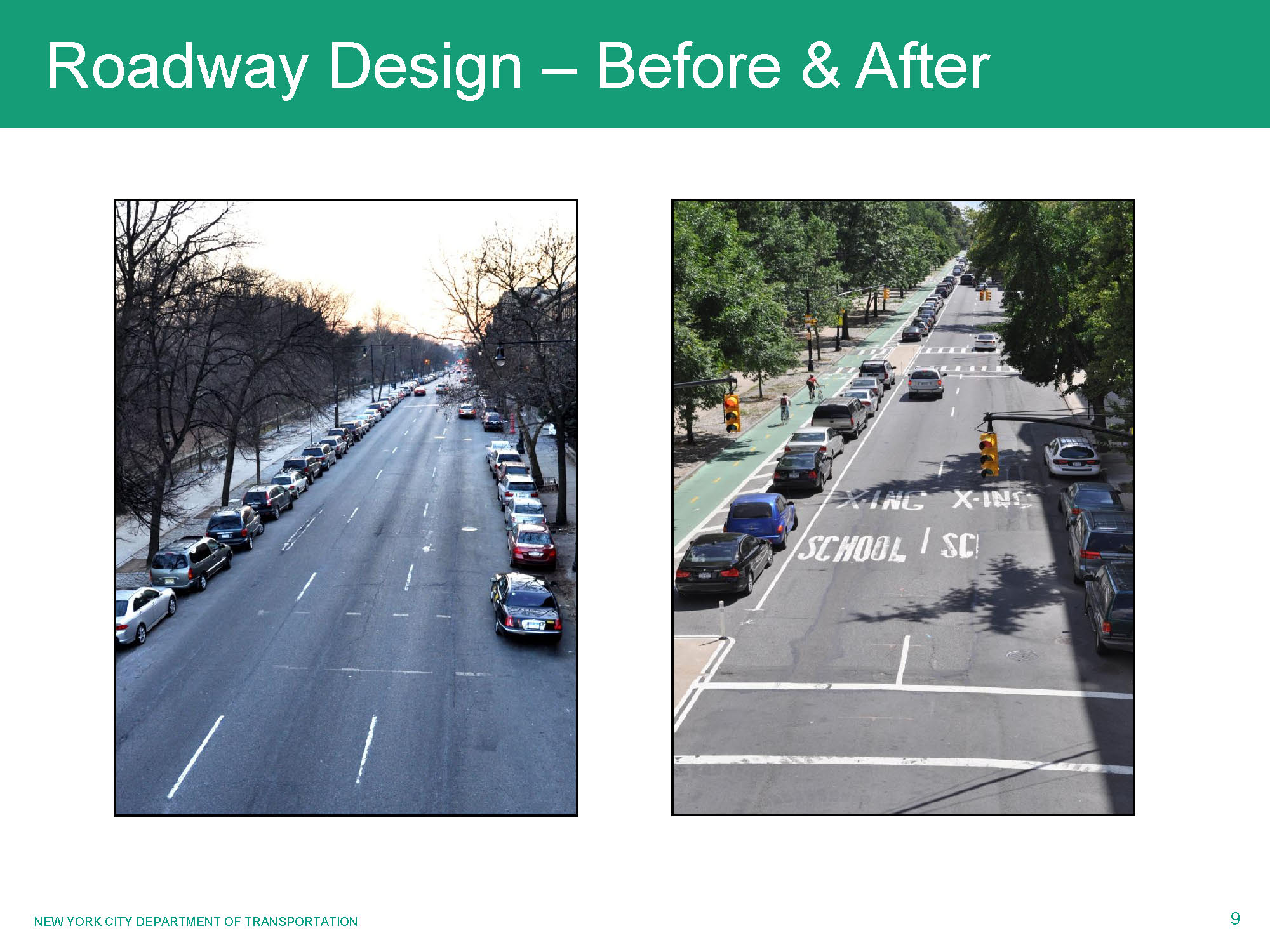
Defending the Prospect Park West bike lane isn't cheap

The article explains that the city is arguing weather the Prospect  Park's bike lane was a good idea or a bad one. The article says " the city has already spent $140,000 defending the prospect Park West bike lane- and that number is expected to increase after opponents of the path filed an appeal" by the Brooklyn Paper. On one side the lawsuit argued that the bike lane turned the peaceful street into a hazardous place for pedestrians t o walk by.  On the other hand people like Jim Walden, who was actually an opponent of the bike lane, said that the people " have a right to appeal"..."This is America"..."Get real".  Which means that the bike lane idea should be up to the people and/ or the citizens around Prospect Park.  People have gathered around the park saying that there is not enough space for the cars to park with the bike lanes.  Other say that the lanes give other advantages to to people without cars and there is just enough room for cars too.

I think this article has good and bad point in it, but it looks like people complain more than go for the idea.  I really do agree.  I think having a bike lane a t Prospect Park is a good idea and it gives many advantages to people.   I think that if its already there then just leave it there.  Also it is helping our environment, by telling people that there can be another way to travel besides by car.  Another thing is that I think that it is the peoples choice whether they like the bike lane there or not.  Something I wondered was: how far will they make the bike lane and does it go around the whole park?


Friday, February 10, 2012

This week in science #9


 This week in science I did many things.  One thing we did was dissect animals and we got new organisms to dissect.  We were given a mouse, frog, perch(type of fish), and a skate(a type of stingray). They all smelled pretty bad.  On the first day of dissection we picked an animal and given a paper that us instructions.  The instructions were to take pictures of the different sides of the skate, like the dorsal and ventral views. Then we were given white pieces of paper  to draw those views, and as groups of 2 each person got 1 side to draw.  After that we had to all label the different parts of the skate from David's blog, next we uploaded them to google docs.  The most horrible part came next and it make me nauseous through the whole day, dissection.  Me and my partner dissected the skate and took out what another instruction sheet told us to do, like the liver and digestive system, nasty.

This week in science I learned quite a few things.  The dissection we did was very interesting.  I learned things like bravery, I saw that pushing yourself to do something is not all that bad.  I didn't want to ever cut up an animal like I did yesterday.  I learned how thick a stingrays skin actually is.  I learned how terrible preserved water and animals smell.  We also learned that there are specific ways to holding dissecting tools so you don't hurt your self.  I learned many animal facts, i didn't know skates have many rows of teeth, and pointy spikes all over their body.

In my group, that was spilt into two partners each organism, one group had a perch and one had a skate. In my case I had a skate (which means the other group had the perch). I think that there were actually many things similar about these organisms. For example, both animals were marine animals. Also they both had gills to help them breath under the water. Their skin was also pretty thick and a bit hard to cut with the scalpel. They both had a tail and fins that help them float and manuvure through the water. There were a lot more differences too. The skate was much bigger. The perch's eyes were kinda on either side of its head while the skate had its eyes on the dorsal side of its body, with no eyelids!! The perch's facial structures and part were all in the front of its body, while the skate had its gills, nostrils, and mouth on the bottom where it's belly is. Also the skate had spikes all over its body, mostly on its head, tail and fins. When finding the gender of the animal the skate has somethings called clasps, they hung on each side next to the tail. If they had them that would mean its a male, if not, it is a female. I thought that the marine animals would be the easiest, they kinda were except they were the smelliest.